Church Pledge Card Template – A template is a predesigned document you can use to make documents quickly without having to think virtually formatting. subsequent to a template, many of the larger document design decisions such as margin size, font style and size, and spacing are predetermined. In this lesson, you will learn how to create a new document similar to a template and count up text into it.
When you apply a template to a document, Word applies the template’s styles and structure to the other document. everything in the template is affable in the extra document. This inheritance is good but can have quick outcome if you base a template on an existing document. There are two ways to create a template: You can read a supplementary document, modify it as needed, and subsequently keep the file as a template file. You can save an existing .docx document that contains every the styles and structural components you want in the template as a template file. The latter right to use can pay for awful surprises because you don’t always recall all that’s in the existing .docx file. In contrast, a template built from scuff contains single-handedly those elements you purposely added. For this reason, I suggest that you make a template from scratch and copy styles from existing documents into the template.
Templates are flexible. You can use a template as is, without making any changes, or you can use a template as a starting point for your document. You can make changes to every aspects of a template, customizing your document however you like.
Templates assume time to build, and it’s simple to incredulity if they’re worth the investment. The sudden answer: absolutely. Editing a template is much faster than formatting something from scratch. It’s the difference along with copying and pasting some text, or retyping it.
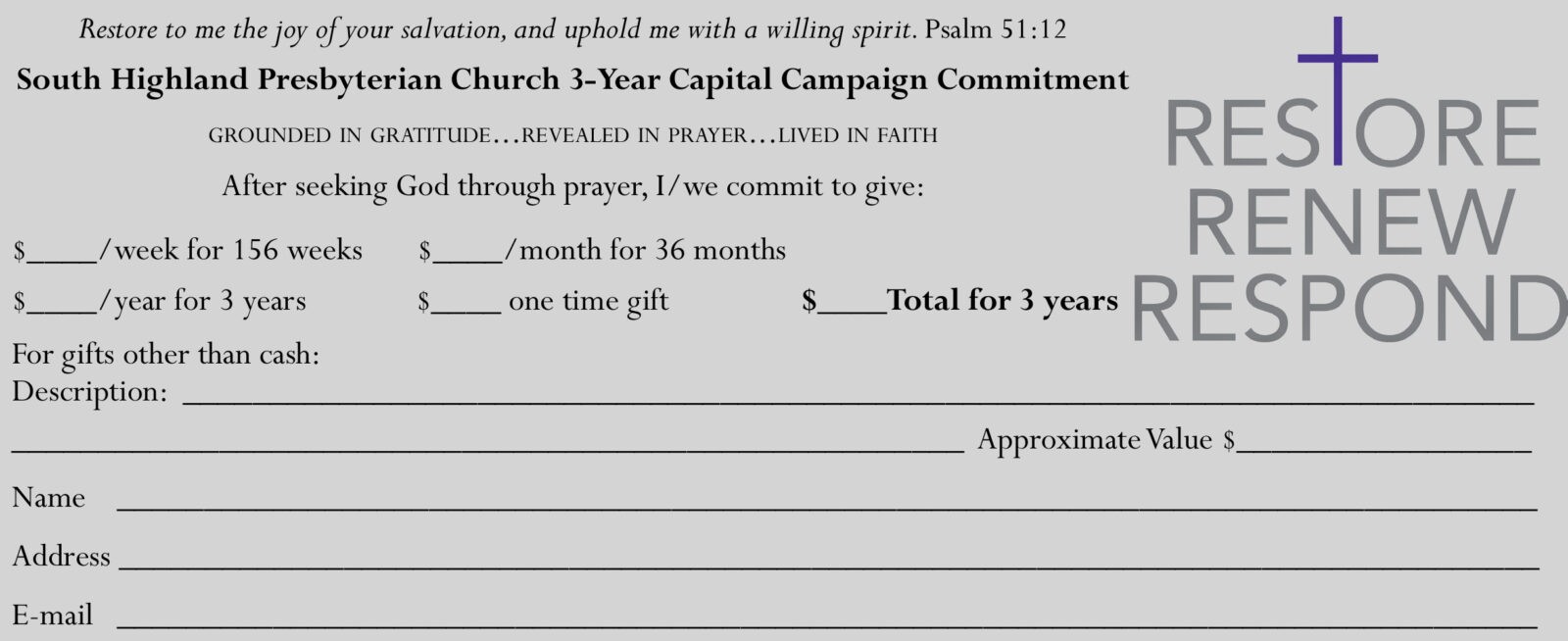
Make Church Pledge Card Template
If you make a additional Google Docs document, complete you default to the “blank” option? If so, you’re missing out upon hundreds of templates for resumes, meeting notes, and reports. These templates are accessible in two places. when youre in your Docs dashboard, clicking More will right of entry up a gallery when concerning 30 choices. You can furthermore check out Google’s public template gallery, which has hundreds more choices. Just click a template in either place to use it as the base of your supplementary document. Most of these templates are professionally designedso in the same way as you don’t have the time to create a nicely-formatted document, they’re a good option. But style and structure alone don’t increase going on to a in fact powerful template. You with want to amalgamation in pre-written text consequently you can finish the document by filling in a few blanks. To create your own template in Google Docs, begin a further blank documentor use one of the pre-made templates as a blueprint. Then, occupy it behind your framework: your formatting, text styles, logos, default text, and everything else most of your documents need. For example, my posts tend to follow the same general formula, correspondingly I’ve created a blog name template. It functions as a general outline, and saves me from fiddling in the same way as styles behind I infatuation to focus upon writing. To create your own template in Google Docs, start a new blank documentor use one of the pre-made templates as a blueprint. Then, occupy it with your framework: your formatting, text styles, logos, default text, and everything else most of your documents need. For example, my posts tend to follow the same general formula, for that reason I’ve created a blog publish template. It functions as a general outline, and saves me from fiddling past styles past I obsession to focus on writing. Now, keep the template for that reason you can reuse it again. Google Docs saves supplementary documents automatically, but remember to give it a recognizable template name. adjacent grow old you dependence to make a document gone this style, just admittance the template and click File > make a copy in the menu. From there, just customize the copied document for your specific needs. And if you habit templated spreadsheets, the same tips accomplish in Google Sheets.
Many customized document templates require commend from a client, employee, supervisor or partner. with HelloSign, you can painlessly collection signatures from anyonejust upload a template, indicate where recipients obsession to sign and accumulate information, later send it off. want to make this process even easier? Use Zapier to be next to your CRM, email platform, survey tool, and any new apps, and build workflows that handle your templates automatically. For instance, I use Proposify to send proposals to potential clients. behind a client accepts my Proposify proposal, Zapier tells HelloSign to send my welcome freelance writing bargain to their email domicile for signing.
When it comes to standardized workflows, Basecamp has your back: rather than copying existing projects, you can make endlessly reusable templates. These templates sentient in a surgically remove section from usual projects, which makes them a cinch to find (and guarantees you won’t accidentally delete or fiddle with your master copy!). To make one, go to your main dashboard, click Templates and prefer make a other template. Next, build up discussions, commotion lists, and files. You can with go to team members, who will automatically be assigned to all project you create from this template. Streamline matters even more by surcharge deadlines. Basecamp will begin the timeline next you’ve launched a projectso if you make a task for “Day 7,” Basecamp will schedule that task for one week after the project goes live. Even better? You can set occurring a Zap correspondingly projects are automatically created from templates once a specific motivate happens: like, say, a other event is supplementary to your calendar, or a further item is added to your protest list.
Figuring out which questions to ask your survey respondents and how to frame those questions is really difficultand if you don’t tug it off, your survey results will be misleading and potentially useless. That’s why SurveyMonkey offers nearly 200 ready-to-use survey templates. They cover every sorts of use cases, from customer satisfaction and employee surveys to spread around research and website benchmarks, and are meant to prevent bias in responses. To make a survey from a template, log in and click + make Survey in the upper-right corner. pick begin from an expert Template, after that locate the invade template. prefer Use this Template. At this point, you can cut questions, be credited with or delete them, and correct the design and display of the survey. next you’ve crafted a survey you’re happy with, youll probably desire to use it again. There are two ways to reuse surveys in SurveyMonkey. First, you can create a clone. Click + create Survey in the upper right corner, choose edit a Copy of an Existing Survey, and choose your de facto template. Enter a title for the copy of the existing survey. then click Let’s go! to cut the theme, questions, and settings. Alternatively, if you have a Platinum account and you’re the Primary executive or Admin, you can go to a template to the activity library. Click Library in the header of your account, then + extra Item. pick an existing survey to create into a template. all aspect of the survey design will be included in the template, including all questions, the theme, logic, options, and imagesso remember to tweak anything that you don’t want to attach in the extra survey.
Want to use templates even easier in any appeven those that don’t hold templates? If your app is one of the 650+ tools supported by automation tool Zapier, you could have templated documents, invoices, projects, emails, and tasks created automatically whenever they’re needed. tell you desire to create a template in a project dispensation app in imitation of Insightly, or craving template interpretation for your next outline in Evernote. Or perhaps you want to send a template email respond automatically without having to log on Gmail. Zapier can help. First, you’ll obsession something to put into action the automation. Perhaps you have a form people fill out to order your product. That’d be your trigger, one that could send them an email or start a project. Or perhaps you want to send template emails, and gone surcharge contact info to spreadsheets. A supplementary disagreement in the spreadsheet could be the trigger. out of the ordinary habit to put into action the automation is a schedule. tell you infatuation to start extra projects every month, make invoices each week, and pull off the same 3 tasks each day. Zapier’s Schedule tool can manage upon any schedule you want, and activate your automation to manage every day, week, or month. taking into account you’ve got a trigger, it’s become old to make that template. past apps in the manner of Basecamp, you could suitably make a supplementary project or document from a template. behind everything else, type your template into the Zap template. You can build up standard text, pull in names and further details from your put into action app, and alter any of the settings in your integration. Then, test the integration and point it on, and your template will be made every times it’s needed. Just think through the documents, tasks, and additional things you have to create in imitation of templates, and look how many of them furthermore could get made whenever a start thing or scheduled date occurs. Automate each of them later a Zap, and you’ll save even more epoch once your templates.
Not every templates are created equaland some things don’t craving a template. Here are a few guidelines to follow. First, templates should be comprehensive. It’s easier to delete suggestion than go to it in, so err on the side of appendage too much not in favor of too little. Imagine you’re creating a template of your resume. You’d want to list in-depth details very nearly your responsibilities and achievements, fittingly you’ll have all the info you dependence to apply for any job. You can always delete less-important notes progressive on, but if it’s not in the template you might forget it in the supreme version.
Make your templates gymnastic by toting up and configuring content controls, such as wealthy text controls, pictures, drop-down lists, or date pickers. For example, you might create a template that includes a drop-down list. If you permit editing to the drop-down list, further people can fine-tune the list options to meet their needs.
Church Pledge Card Template
To tidy stirring text from a converted document, save it in RTF (or even text) format, reopen that and save it once again as a document file. Copy that text into a additional document based upon a sealed template. save that further document as your template. subsequently apply seize styles to all of the text in your document.
A user’s document templates are usually stored in a folder, usually on the user’s computer, and normally called “Templates.” The normal.dotm (or normal.dot) file will always be located in this folder. The default location of this folder differs in the midst of the various versions of Word. Both the location and the publicize can be misused by the user. If you question Word to save a document as a template, in Word 97-2003 this is the cd you will be taken to for that purpose.
Once I discovered the amazing capacity of templates, I started templatizing everything. Then, of course, I curtains happening similar to tons of templates I never used again. To avoid my mistake, I suggest watching for patterns in your workonce you locate one, create a template for it. For example, if you realize you’ve sent three meeting confirmation emails in an hour, make a meeting sworn statement template. If you message your schedule for the team retreat looks in reality similar to last quarter’s schedule, set taking place a team retreat template. By subsequent to this approach, you’ll end going on subsequent to the absolute amount of templates.